

ABSTRACT
Efficient livestock production depends on integrating genetic, nutritional, and management strategies to improve growth, feed efficiency, and product quality. Among genes linked to growth regulation, the insulin-like growth factor 2 (IGF2) gene has become a key molecular regulator affecting muscle development, nutrient metabolism, carcass composition, and overall production efficiency across various livestock species. This review summarizes current knowledge about the biological roles, genetic regulation, nutritional influences, and biotechnological uses of IGF2 in livestock systems. IGF2 plays a key role in prenatal and early postnatal growth by promoting myoblast proliferation, muscle fiber differentiation, and protein synthesis through major signaling pathways, including PI3K/AKT and MAPK/ERK. Genetic polymorphisms in regulatory regions of IGF2 have consistently been linked to economically important traits such as increased body weight, improved feed conversion ratio, higher lean meat yield, and less fat deposition in cattle, pigs, poultry, and small ruminants. These findings support using IGF2 as a molecular marker in marker-assisted and genomic selection programs aimed at boosting livestock productivity. Along with genetic factors, IGF2 expression is heavily affected by nutritional status, environmental conditions, and epigenetic regulation. Maintaining a balanced intake of dietary energy and protein, proper management, and reducing stress levels can boost IGF2 activity, leading to improved growth efficiency and metabolic performance. Recent advancements in biotechnology, such as genome editing, epigenetic modulation, and transcriptomic techniques, offer new ways to control IGF2 expression for developing high-performance livestock while preserving product quality and animal welfare. However, excessive or uncontrolled modulation of IGF2 may disrupt metabolic balance, immune function, and physiological homeostasis, highlighting the need for careful regulation and ethical consideration in genetic improvement programs. Overall, IGF2 represents a crucial molecular link between genetics, nutrition, and physiology, and its integrated application in breeding, feeding, and biotechnology strategies offers promising prospects for sustainable and efficient livestock production.
Keywords: animal growth, feed efficiency, gene polymorphism, genomic selection, IGF2, livestock production, muscle development, nutrient metabolism.
INTRODUCTION
Livestock growth is a fundamental aspect of the livestock industry and plays a major role in determining production efficiency and economic profitability [1]. Growth-related traits, including body weight, feed intake, and body conformation, are closely associated with production performance, particularly in meat-producing livestock species [2]. Improvement of these traits not only increases the economic value of livestock but also enhances feed utilization efficiency and supports sustainable production systems [3].
Genetic factors play a crucial role in determining individual variation in growth traits. Several candidate genes have been reported to be strongly associated with growth characteristics, including growth hormone (GH), growth hormone receptor (GHR), myostatin (MSTN), and insulin-like growth factor 2 (IGF2) [4, 5]. These genes regulate important biological processes such as metabolism, cell differentiation, muscle development, and feed conversion efficiency into body mass [6]. However, the expression of growth traits is not determined solely by genetic background, but is also influenced by environmental conditions, nutritional status, management practices, and the physiological health of livestock [7]. Animals with superior genetic potential may fail to achieve optimal growth performance if adequate nutrition and proper husbandry practices are not provided. Therefore, effective breeding programs require an integrated approach combining genetic improvement with optimized nutritional strategies and environmental management to maximize growth potential and production efficiency [8].
Improved livestock production and growth efficiency are often associated with the insulin-like growth factor (IGF) system through nutrition, genetic selection, or the application of growth-promoting strategies [9]. For example, increased IGF1 levels have been shown to enhance growth rate and feed efficiency in beef cattle and poultry [10]. IGF1 and IGF2 play essential roles in regulating cell proliferation and differentiation, particularly in muscle, bone, and vital organ tissues. IGF2 acts as a major mediator of GH activity and functions through systemic, paracrine, and autocrine mechanisms within body tissues [11]. Because of its central role in regulating growth and metabolism, IGF2 has become an important research target for improving livestock productivity through natural and sustainable approaches [12].
The IGF2 gene is influenced not only by genetic factors but also by environmental conditions such as nutrition, farm management, and stress [13]. Animals with superior genetic potential typically show faster growth rates and better feed efficiency, whereas inadequate nutrition or stressful conditions, including feed restriction or disease exposure, may decrease IGF expression and hinder growth performance [14]. Regulation of IGF2 expression involves complex interactions among genetic variation, nutritional status, epigenetic modifications, and regulatory pathways across different livestock species [15]. Although many studies have explored the role of IGF2 in individual species or specific conditions, a comprehensive overview combining genetic polymorphisms, nutritional regulation, epigenetic control, and biotechnological applications of IGF2 across livestock species remains limited [16].
Therefore, this review compiles and compares current evidence on IGF2-mediated growth regulation, with particular focus on muscle development, feed efficiency, carcass quality, and responses to nutritional and environmental stress [17]. Identifying favorable IGF2 promoter variants may provide valuable markers for selective breeding programs aimed at improving livestock productivity and efficiency [18].
Despite extensive research on growth-related genes in livestock, understanding of the role of IGF2 in regulating growth performance, metabolic efficiency, and carcass quality remains incomplete. Most studies focus on individual species, specific polymorphisms, or isolated physiological functions, without offering a comprehensive framework that integrates genetic, nutritional, epigenetic, and biotechnological regulation of IGF2. Many reports examine the interaction between IGF2 and other growth-related genes such as GH, GHR, and MSTN separately, while the coordinated regulation of these genes under different nutritional and environmental conditions has not been sufficiently summarized. Additionally, although IGF2 polymorphisms have been linked to economically important traits, applying these findings in marker-assisted selection, genomic selection, and precision breeding programs remains inconsistent across livestock species.
Another limitation in the current literature is the lack of integrated evaluation of how nutritional status, stress, management practices, and epigenetic mechanisms influence IGF2 expression and its downstream signaling pathways. Previous studies have demonstrated that feed composition, energy balance, and environmental stress can modify the activity of the insulin-like growth factor axis, but the combined effects of these factors on IGF2-mediated growth regulation have not been systematically reviewed. In addition, recent advances in biotechnology, including genome editing, transcriptomic analysis, and epigenetic modulation, have provided new opportunities to regulate IGF2 expression; however, the potential benefits, limitations, and welfare implications of these approaches have not been critically synthesized in a single review. Therefore, a comprehensive evaluation that connects molecular mechanisms with practical applications in livestock production is still required.
Therefore, the present review aims to provide a comprehensive and integrative overview of the role of IGF2 as a central regulator of growth, muscle development, nutrient metabolism, and production efficiency in livestock. This review summarizes current knowledge on the molecular functions of IGF2, its interaction with other growth-related genes such as GH, GHR, and MSTN, and its involvement in major signaling pathways controlling cell proliferation, differentiation, and protein synthesis. In addition, this review evaluates the influence of genetic polymorphisms, nutritional factors, environmental conditions, and epigenetic regulation on IGF2 expression across different livestock species.
The review also aims to compile recent findings on the use of IGF2 in marker-assisted selection, genomic selection, and modern biotechnological methods, including genome editing and epigenetic modulation, for enhancing growth performance and feed efficiency while safeguarding animal health and welfare. By combining information from molecular biology, animal nutrition, genetics, and biotechnology, this review strives to provide a solid scientific basis for using IGF2 as a key target in sustainable and precision livestock production systems. Ultimately, this synthesis is expected to support future research and breeding strategies focused on improving productivity, product quality, and economic efficiency in modern livestock industries.
REVIEW METHODOLOGY
Literature search strategy
This review was conducted using a structured narrative approach to collect, evaluate, and synthesize scientific information related to the role of IGF2 in livestock growth, metabolic regulation, and production efficiency. A comprehensive literature search was performed using major scientific databases, including PubMed, Scopus, Web of Science, ScienceDirect, and Google Scholar. The search covered publications from 2000 to 2025 to include both classical studies and recent advances in molecular genetics, animal nutrition, and biotechnology related to IGF2.
The search strategy utilized combinations of keywords and Boolean operators, including “IGF2”, “insulin-like growth factor 2”, “livestock growth”, “gene polymorphism”, “marker-assisted selection”, “genomic selection”, “muscle development”, “feed efficiency”, “nutrient metabolism”, “epigenetic regulation”, “CRISPR”, and “genome editing”. Additional searches were conducted using species-specific terms such as cattle, pigs, sheep, goats, and poultry. Reference lists from relevant articles were also examined to find additional publications not retrieved in the initial search.
Inclusion and exclusion criteria
Studies were included if they met at least one of the following criteria:(i) investigated the biological function of IGF2 in livestock or other food-producing animals,(ii) evaluated the association of IGF2 polymorphisms with growth, carcass, reproductive, or metabolic traits,(iii) examined the influence of nutrition, management, or environmental factors on IGF2 expression, or(iv) reported molecular, genomic, or biotechnological approaches targeting IGF2.
Both in vivo and in vitro studies, experimental reports, and review articles published in peer-reviewed journals were considered. Studies not related to animal production, lacking sufficient methodological details, duplicate reports, conference abstracts without full data, and non-English publications were excluded.
Data extraction and classification
Relevant information from the selected articles was extracted and organized according to the objectives of the review. The collected data included study species, experimental approach, type of genetic or molecular analysis, nutritional or environmental factors evaluated, and the reported effects of IGF2 on growth, metabolism, and production traits.
The selected studies were then categorized into thematic groups, including the role of IGF2 in muscle development, regulation of nutrient metabolism, genetic polymorphisms and selection methods, effects on carcass and production traits, nutritional and environmental influences, and biotechnological interventions. This organization enabled systematic comparison among studies and helped identify consistent findings and conflicting results.
Synthesis of evidence
The information gathered from the selected literature was critically analyzed and synthesized to provide a comprehensive overview of the regulatory role of IGF2 in livestock production. Emphasis was placed on connecting molecular mechanisms with practical applications in breeding, nutrition, and biotechnology. The review also addressed the benefits, limitations, and potential risks tied to modulating IGF2 expression, especially concerning animal health, welfare, and sustainable production.
This methodological approach helped identify current knowledge gaps and provided a scientific foundation for future research and the development of precision livestock improvement strategies targeting IGF2.
IGF2 ROLE IN MUSCLE DEVELOPMENT
Livestock growth is a critical determinant of animal production system productivity and economic efficiency. Growth traits, such as body weight and size, have a direct impact on production efficiency and farmer profits [19]. Optimal body weight and body size are related to meat production capacity and feed utilization efficiency. Improving growth-supporting factors is crucial for improving livestock quality and quantity [20]. Genetic background plays a fundamental role in shaping growth potential among these factors. Numerous studies have demonstrated that variation in specific candidate genes significantly contributes to differences in the growth rate and body development of livestock populations [21]. Genes associated with GH regulation, protein metabolism, and digestive efficiency have a significant impact on growth trait expression [22]. Consequently, identifying favorable genetic variants enables a more precise selection of superior animals for use in targeted breeding programs [23].
IGF2 stimulates myoblast growth through the PI3K/AKT and MAPK/ERK pathways [24]. It is secreted by various cell types and interacts with IGF1R or IGF2R receptors, activating signaling pathways such as PI3K/AKT and MAPK/ERK [25]. The activation of these pathways promotes gene transcription involved in myogenesis, protein synthesis, and satellite cell proliferation, thereby aiding the formation and maturation of muscle fibers. IGF2 is highly expressed and serves as a key regulator in early skeletal muscle mass development [26]. It encourages the division of muscle precursor cells (myoblasts) and their transition into myotubule cells, which eventually develop into functional muscle fibers [27]. The decrease in IGF2 expression during the postnatal stage indicates that its role is prominent during early muscle development and lessens in postnatal muscle growth, though it still supports muscle tissue regeneration [28]. Using IGF2 promoter variants in MAS programs remains promising. This approach could improve production efficiency and farmer welfare [29, 30]. Genomic selection and biotechnology can accelerate achieving improved breeding targets. Factors such as feed quality, health management, and environmental conditions influence the expression of growth-related genes [31].
From an economic perspective, enhancing growth traits through genetically informed selection can significantly boost farm profitability. Livestock with faster growth rates and larger body sizes generally command higher market value, while improved feed efficiency cuts production costs [32]. Choosing individuals with better feed efficiency can lower costs and increase the profitability of livestock operations. Adopting genetic selection-based breeding strategies can help boost the competitiveness of the livestock industry [33]. Additional research is needed to find the most effective genetic variants for improving livestock growth traits. Understanding genetic and epigenetic interactions under various environmental conditions is also crucial for optimizing breeding strategies [34].
Improving livestock growth efficiency through genetic marker-based breeding can deliver significant benefits to farmers. Livestock with faster growth rates can reach market weight sooner, reducing maintenance costs and boosting production efficiency [35]. Additionally, using genetic selection can lessen dependence on traditional methods that are more time-consuming and less consistent. Challenges in adopting this technology, such as the cost of genetic analysis and limited access in some regions, must be addressed for broader implementation [36]. It is crucial to tackle these issues through coordinated efforts among scientific research, policy making, and technology transfer [37]. By combining genetic-based breeding with precision management practices, the livestock industry can move toward more efficient, sustainable, and globally competitive production systems [38].
IGF2 IMPACT ON MUSCLE FIBER COMPOSITION
The IGF2 gene is a key regulator of muscle growth and metabolism in cattle, pigs, sheep, and chickens. Extensive evidence demonstrates that elevated IGF2 expression is positively associated with enhanced protein synthesis and myoblast proliferation, leading to increased muscle accretion and an improved M/F ratio [39]. Consequently, IGF2 has been widely recognized as a major genetic determinant of carcass quality traits across multiple livestock species [40]. Mutations in the IGF2 regulatory region can significantly increase muscle growth while reducing subcutaneous fat content [41]. For example, specific mutations in IGF2 are associated with a 15%–20% reduction in back-fat thickness without compromising meat quality in pigs [42]. Similarly, IGF2 gene polymorphisms in cattle have been correlated with economically important traits such as marbling, meat tenderness, and feed efficiency. These findings underscore the potential of IGF2-based genetic selection strategies to enhance meat production quality and quantity in livestock populations [43].
IGF2 plays a role not only in muscle growth but also in energy metabolism and body composition regulation. The IGF2 hormone produced by this gene exerts a strong anabolic effect, aiding in increasing the efficiency of feed conversion into muscle mass [44]. IGF2 is a key growth factor involved in the proliferation and differentiation of muscle, bone, and internal organs [45]. It remains active in supporting hypertrophy by activating the PI3K/AKT/mTOR signaling pathway, which boosts protein synthesis and muscle growth. Additionally, IGF2 interacts with transcription factors such as Myogenin and MyoD, which are involved in controlling muscle cell differentiation and maturation [46].
Moreover, the IGF2 gene plays a key role in muscle growth, cell differentiation, and energy metabolism, making it a prime candidate as a molecular marker for livestock meat production. IGF2 increases protein synthesis and muscle cell proliferation, thereby directly influencing the meat-to-fat ratio and carcass quality [47]. Numerous quantitative genetic studies have linked IGF2 to QTLs associated with growth performance, feed efficiency, and carcass characteristics. The identification of a quantitative trait nucleotide (QTN) within the IGF2 regulatory element has provided critical insights into how subtle genetic variations can induce substantial changes in gene expression and phenotypic outcomes [48]. The QTN in the IGF2 regulatory element was discovered through genome-wide association studies and QTL mapping, which aimed to link genetic variation to livestock production performance. This mutation is located in the regulatory region of IGF2 expression, which controls gene transcription levels in various tissues [49] (Figure 1).
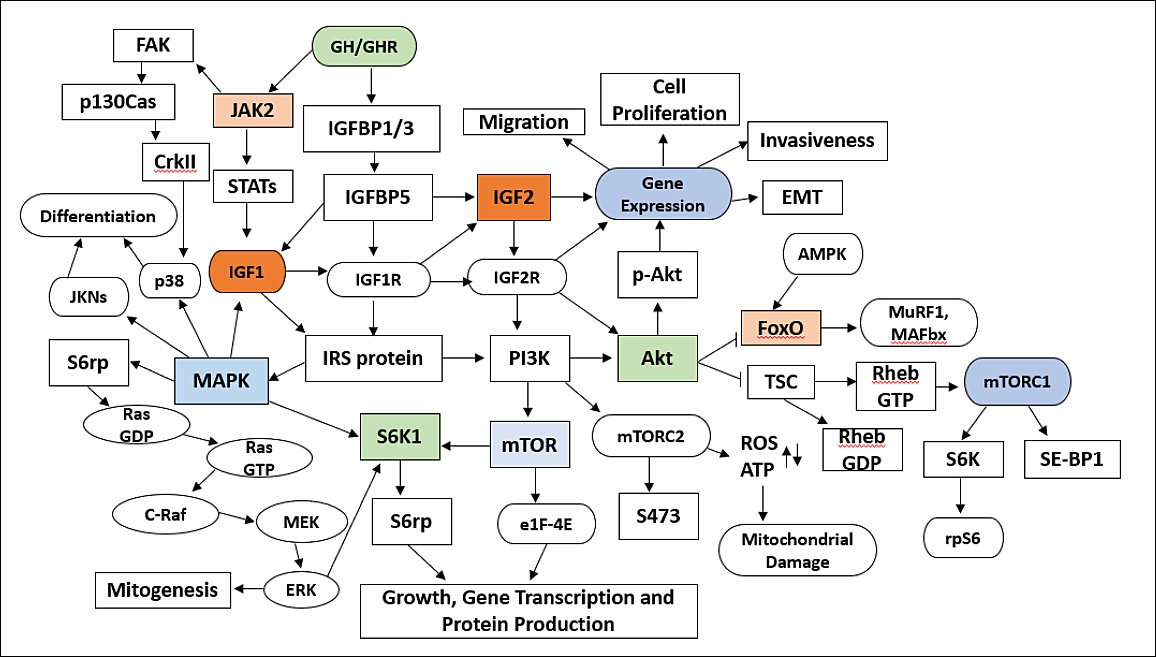
Figure 1. Role of insulin-like growth factor 2 in the regulation of cell signaling pathways and growth mechanisms [Source: Figure prepared by Siti Rani Ayuti].
Mutations in this region influence gene expression by altering interactions with transcription factors and epigenetic mechanisms, including DNA methylation and histone modifications [50]. The discovery of QTN mutations in IGF2 offers significant benefits in GS and MAS-based breeding [51]. Breeders can select individuals with favorable IGF2 alleles using genetic data to improve growth efficiency, carcass quality, and the balance between muscle and fat mass. Cattle carrying beneficial IGF2 mutations exhibit improved feed conversion and endurance, making them a prime target in modern breeding programs [52]. Livestock carrying advantageous IGF2 variants consistently exhibit enhanced muscle hypertrophy, increased daily weight gain, and superior feed conversion efficiency. These animals can utilize nutrients more effectively, achieving accelerated growth rates without disproportionate increases in feed intake [53]. Collectively, these attributes position IGF2 as a central genetic target in modern livestock breeding programs aimed at optimizing meat production and economic efficiency [54].
IGF2 EXPRESSION AND MEAT QUALITY IMPROVEMENT
The IGF2 gene plays a fundamental role in ensuring proper organogenesis and tissue development, including the formation of skeletal muscle, cardiac tissue, and the liver [55]. Elevated IGF2 expression during early developmental stages supports the regulation of body size and promotes the formation of larger muscle mass [56]. In addition, IGF2 regulates energy balance in the chicken body by influencing glucose metabolism and body fat regulation. IGF2, together with other hormones such as insulin, ensures efficient energy management in the body [57]. This regulatory mechanism is crucial in chickens because IGF2 contributes to the conversion of feed into energy used for body growth. This hormone allows chickens to optimize the use of available energy, supporting faster and more efficient growth, which increases livestock productivity [58]. The importance of IGF2 in chicken growth and development opens up opportunities for its application in genetic-based breeding programs. Identification of IGF2 gene variations can be used in MAS technology-assisted selection to improve chicken growth traits. In addition, genetic editing, such as CRISPR–Cas9, can be used to increase IGF2 expression in chickens, which in turn can accelerate growth rates and improve production efficiency [59]. Thus, IGF2 not only plays a central role in natural biological processes but also offers great potential for optimizing chicken breeding outcomes for more efficient production [60].
Polymorphisms within the IGF2 gene, especially in promoter and regulatory regions, have been linked to differences in growth traits like birth weight and postnatal body size across various livestock species, including chickens [61]. These links further support IGF2 as a candidate gene for marker-assisted selection in livestock improvement efforts [62]. IGF2 activates signaling pathways that affect cell metabolism and encourage cell proliferation and differentiation in chickens. As a polypeptide hormone involved in regulating overall growth, IGF2 ensures that cell division and growth happen efficiently and in an organized way during chicken development [63]. Besides its role in promoting cell growth, IGF2 also plays a key part in mediating the effects of the GH gene [64].
Growth hormones stimulate the formation of new tissue and maintain existing tissue, particularly in increasing muscle mass and regulating metabolism [65]. IGF2 acts as a mediator that amplifies the effects of GH in this process. In this case, IGF2 accelerates the formation of larger muscle tissue, which in turn increases the overall body size of chickens [66]. Therefore, IGF2 is crucial for speeding up growth, especially during the early stages of life. IGF2 plays an essential role in regulating the formation of muscle and fat tissue during chicken development [67]. Chickens can develop greater muscle mass through increased IGF2 expression, leading to higher body weight and a more optimal body size. High IGF2 expression can result in increased protein levels in muscles and other tissues, supporting overall body growth [68]. IGF2 also contributes to bone development, ensuring that the skeletal structure develops properly to support the larger body of the chicken. The IGF2 gene not only promotes muscle growth but also helps other organs and body systems develop properly during growth [67].
The IGF2 gene is also recognized as an important regulator of growth and development across multiple livestock species because of its imprinting characteristics [68]. This phenomenon occurs in certain genes involved in regulating body growth and development, where the parental origin of the allele influences gene expression. This opens the possibility for a deeper understanding of IGF2 gene expression regulation in chickens and its role in growth regulation [69]. Further investigation of IGF2 expression patterns in chickens using advanced molecular approaches, such as quantitative real-time polymerase chain reaction (PCR) and RNA sequencing, has confirmed its significant role in growth regulation [70]. Understanding the genetic and epigenetic factors that influence IGF2 expression provides valuable insights for developing more precise and effective breeding strategies [71]. Elucidating IGF2-mediated regulatory mechanisms holds considerable promise for improving both the quality and quantity of poultry production through genetically informed selection and breeding practices [72].
NUTRITIONAL REGULATION OF IGF2 EXPRESSION
The IGF2 gene is a crucial growth factor that plays a central role in regulating nutrient metabolism in livestock. As a peptide hormone, IGF2 is involved not only in growth and development but also in energy metabolism and nutrient use [73]. A thorough understanding of the molecular mechanisms through which IGF2 influences nutrient metabolism is vital for enhancing livestock productivity via integrated nutritional and genetic strategies [74]. This highlights IGF2 as a key factor in boosting livestock growth and efficiency. Higher IGF2 expression is linked to increased body weight and lean muscle mass. Therefore, genetic selection targeting IGF2 could be an effective strategy to improve high-quality meat production in livestock [75].
IGF2 regulation is also closely linked to feed efficiency and nutrient utilization. This factor enhances the use of amino acids and glucose in cells, supporting more efficient growth [76]. Manipulating IGF2 expression through targeted nutritional strategies offers a practical way to improve feed efficiency while also decreasing nitrogen waste and reducing environmental impact. Optimizing IGF2 activity could thus be a sustainable method to boost livestock production and lessen the environmental footprint [77]. Since IGF2 plays a key role in managing nutrient metabolism, there is considerable potential to enhance livestock productivity through genetic selection combined with nutritional management [78]. Interactions among IGF2 and environmental, nutritional, and genetic factors provide valuable insights into the regulation of growth and metabolic efficiency in livestock [79]. At the cellular level, IGF2 influences metabolism via complex signaling pathways that coordinate nutrient use, improve feed conversion, and regulate protein synthesis and breakdown [80].
One of the main functions of IGF2 in nutrient metabolism is to promote protein synthesis and reduce muscle protein breakdown. This process is essential for supporting livestock growth, especially during rearing and fattening stages [81]. IGF2 works together with other growth hormones, such as IGF1 and insulin, to enhance amino acid uptake and encourage muscle fiber development, highlighting its potential as a genetic target for boosting meat production efficiency [82]. Besides its role in protein metabolism, IGF2 also significantly affects energy metabolism and glucose use. It increases insulin sensitivity, which speeds up glucose absorption and storage in muscle and liver tissues [83]. This improves how efficiently energy from feed is used, directly impacting growth and overall health [84]. Higher IGF2 levels may also decrease the need for fat tissue as an energy source, allowing more dietary energy to be used for muscle building [85].
Integration of IGF2-targeted genetic selection with optimized nutritional strategies offers a strong approach for improving livestock production efficiency and sustainability [86]. The IGF2 gene plays a crucial role in regulating nutrient metabolism in livestock by acting as a key mediator in metabolic pathways influencing muscle growth, protein synthesis, and feed conversion efficiency [87]. IGF2 stimulates cellular proliferation and differentiation through interaction with specific receptors, particularly in skeletal muscle and metabolically active organs such as the liver and pancreas. In addition to protein metabolism, IGF2 influences energy metabolism, especially glucose and lipid utilization [88]. IGF2 increases insulin sensitivity, allowing muscle cells to absorb and utilize glucose more efficiently, thereby reducing excessive fat accumulation and directing more energy toward muscle growth [89]. Appropriate nutritional strategies, including balanced carbohydrate and protein formulation, can maximize IGF2 expression and improve production efficiency [90]. Overall, understanding the mechanisms by which IGF2 regulates nutrient metabolism provides important opportunities to improve livestock productivity through scientifically based nutritional and genetic interventions [91]. Interaction between metabolic pathways and IGF2 represents an important strategy to optimize growth, increase feed efficiency, and produce higher-quality livestock products [92].
IGF2 POLYMORPHISMS AND ASSOCIATED GENETIC STRATEGIES
The IGF2 gene plays a crucial role in regulating growth, metabolism, and reproductive performance in livestock, particularly poultry. Polymorphisms in the IGF2 gene, especially single-nucleotide polymorphisms (SNPs), have been identified as potential markers of reproductive traits in poultry [93]. Variations in regulatory regions, such as promoter and intronic regions, can influence IGF2 expression. These genetic variations provide valuable information for marker-assisted selection (MAS), enabling breeders to selectively improve production efficiency [94]. Multiple IGF2 polymorphisms exert substantial effects on meat production traits across livestock species. For example, in the swine industry, specific mutations in the IGF2 regulatory region have been associated with increased muscle growth and decreased back-fat deposition, resulting in more efficient carcasses [95].
IGF2 also affects follicular development, hormone secretion, and overall reproductive success in poultry. This gene encourages cell growth and specialization and helps maintain healthy ovarian tissue function, which is vital for egg production [96]. Recent research has found specific IGF2 SNP linked to increased egg production, better eggshell quality, and longer reproductive lifespan in poultry [97]. These polymorphisms assist in identifying livestock with superior genetic traits, making them useful markers for selective breeding programs [98].
Mapping IGF2 polymorphisms can be used in genome-based breeding to produce livestock with better meat qualities. IGF2 activates the PI3K/AKT/mTOR signaling pathway by binding to the IGF1R receptor, which stimulates protein synthesis and muscle growth [99]. Additionally, IGF2 interacts with IGF-binding proteins (IGFBPs), which regulate its bioavailability and tissue-specific activity. Functional genomics and transcriptomic methods offer powerful tools for understanding how specific SNPs affect IGF2 expression, signaling efficiency, and reproductive physiology [100].
Polymorphisms in the IGF2 gene influence various biological functions, especially those related to reproductive traits in poultry. Genetic variations, including SNPs, can change gene expression and function [101]. Specific IGF2 polymorphisms have been linked to higher egg-laying rates, better eggshell quality, and a longer reproductive period [102]. Certain SNPs can boost IGF2 expression in ovarian tissue, promoting follicular development and increasing ovulation frequency [103]. Identifying and understanding these polymorphisms enable breeders to use genetic selection to improve reproductive traits like egg size and production efficiency [104].
Although current research emphasizes the potential of IGF2 polymorphisms to enhance egg production traits, many aspects still need exploration. Future studies should examine broader genetic and environmental interactions that influence IGF2 expression and its role in reproductive performance [105]. Investigating the interactions between IGF2 and genes involved in steroid hormone synthesis or yolk formation could provide deeper insights into the genetic networks controlling egg-laying efficiency [106]. The important role of IGF2 in avian reproductive physiology further underscores its potential to improve productivity through polymorphisms [107]. IGF2 polymorphisms are also linked to variations in body size and growth, with some allelic variants being beneficial for faster growth and better feed efficiency [108]. Therefore, IGF2 functions not only as a regulator of growth and reproduction but also as an essential genetic factor in overall production performance [109]. Overall, these findings suggest that IGF2 is a promising molecular target for MAS aimed at improving key traits in modern poultry breeding programs [110].
BIOTECHNOLOGICAL INTERVENTIONS TARGETING IGF2
Genetic engineering is an innovative approach to increase IGF2 expression to boost livestock growth efficiency and nutrient metabolism [111]. Because of the central role of IGF2 in regulating muscle development, energy metabolism, and feed conversion efficiency, targeted manipulation of its expression can significantly enhance livestock productivity [112]. Modern genetic engineering methods allow precise control of IGF2 through genome editing technologies such as CRISPR–Cas9, epigenetic regulation, and transgenic approaches [113]. In various livestock species, increasing IGF2 expression via CRISPR–Cas9 has been shown to promote muscle growth, improving carcass quality and meat production [114].
In addition to CRISPR–Cas9 techniques, epigenetic approaches are also promising for modifying IGF2 expression [115]. Epigenetic manipulation through nutritional input or molecular intervention can naturally increase IGF2 expression, allowing livestock to grow faster and more efficiently without permanent genetic modification [116]. This approach is considered safer and more widely applicable in the livestock industry because regulatory restrictions are less strict than those for conventional genetic engineering technologies [117]. With advances in molecular technologies, modifying IGF2 expression has become a strategic method for improving livestock productivity. Genetic engineering has thus become an important tool for enhancing IGF2 activity to support growth and metabolic efficiency [118]. One major advantage of increasing IGF2 expression through CRISPR–Cas9 is optimizing carcass composition, where more nutrients are directed toward muscle growth rather than fat deposition [119]. The meat-to-fat ratio is a key factor in determining product quality and market value in the livestock industry. Therefore, improving IGF2 activity not only boosts production efficiency but also meets consumer demand for healthier and higher-quality products [120].
Beyond CRISPR–Cas9 and traditional transgenic methods, a wide array of molecular and genomic technologies has been used to modify IGF2 activity in livestock species (Table 1) [121–129]. These approaches work at various regulatory levels, from gene silencing to genome editing and advanced selection tools, showcasing the versatility of IGF2 as a biotechnology target.
| Genetic technology | Short work principle | Livestock species | IGF2 target | Observation outcome | Reference |
|---|---|---|---|---|---|
| RNA interference | Specific reduction in IGF2 expression | Chicken | IGF2 mRNA | Regulation of muscle growth | [121] |
| CRISPR/Cas9 | Direct IGF2 gene editing | Pig | Exon 1 | Increased muscle mass and feed efficiency | [122] |
| Marker-assisted selection | Selection-based on the IGF2 SNP markers | Cow | SNP IGF2 | Increased carcass weight and IGF2 expression from both alleles (biallelic expression) | [123] |
| Epigenetic Modification | The methylation/demethylation locus of IGF2 | Sheep | ICR Region | Activation of IGF2 expression | [124] |
| Transgenesis | Insertion of an extra IGF2 gene copy | Goat | IGF2 Promoter | Faster and more uniform muscle growth | [125] |
| Gene Promoter Engineering (GPE) | Promoter element engineering to enhance the expression of | Cow | Promoter region | Increased IGF2 expression | [126] |
| Synthetic mRNA therapy | Administration of artificial IGF2 mRNA for transient gene expression | Chicken | IGF2 transcript | Acceleration of the early growth phase | [127] |
| GWAS-Guided Selection | Livestock selection-based on the association of SNPs with IGF2 | Pig | Intronic IGF2 SNP | Increases IGF2 activity and muscle growth | [128] |
| miRNA Modulation | Inhibition of IGF2-negative regulatory miRNA | Sheep | miR-675 | Increases IGF2 mRNA stability and protein translation | [129] |
Table 1. Applied genetic technologies to enhance IGF2 function.
| Genetic technology | Short work principle | Livestock species | IGF2 target | Observation outcome | Reference |
|---|---|---|---|---|---|
| RNA interference | Specific reduction in IGF2 expression | Chicken | IGF2 mRNA | Regulation of muscle growth | [121] |
| CRISPR/Cas9 | Direct IGF2 gene editing | Pig | Exon 1 | Increased muscle mass and feed efficiency | [122] |
| Marker-assisted selection | Selection-based on the IGF2 SNP markers | Cow | SNP IGF2 | Increased carcass weight and IGF2 expression from both alleles (biallelic expression) | [123] |
| Epigenetic Modification | The methylation/demethylation locus of IGF2 | Sheep | ICR Region | Activation of IGF2 expression | [124] |
| Transgenesis | Insertion of an extra IGF2 gene copy | Goat | IGF2 Promoter | Faster and more uniform muscle growth | [125] |
| Gene Promoter Engineering (GPE) | Promoter element engineering to enhance the expression of | Cow | Promoter region | Increased IGF2 expression | [126] |
| Synthetic mRNA therapy | Administration of artificial IGF2 mRNA for transient gene expression | Chicken | IGF2 transcript | Acceleration of the early growth phase | [127] |
| GWAS-Guided Selection | Livestock selection-based on the association of SNPs with IGF2 | Pig | Intronic IGF2 SNP | Increases IGF2 activity and muscle growth | [128] |
| miRNA Modulation | Inhibition of IGF2-negative regulatory miRNA | Sheep | miR-675 | Increases IGF2 mRNA stability and protein translation | [129] |
Technologies listed are based on published experimental or review data; outcomes represent reported effects in the cited studies. IGF2 targets refer to the specific genetic element modified or selected (e.g., coding region, regulatory region, or transcript). Observation outcomes summarize the primary reported benefit related to muscle growth, meat production, or related traits. References correspond to the numbered list provided in the manuscript. Abbreviations: CRISPR/Cas9 = clustered regularly interspaced short palindromic repeats/CRISPR-associated protein 9, GWAS = genome-wide association study, ICR = imprinting control region, IGF2 = insulin-like growth factor 2, miRNA = microRNA, SNP = single-nucleotide polymorphism.
refer to the specific genetic element modified or selected (e.g., coding region, regulatory region, or transcript). Observation outcomes summarize the primary reported benefit related to muscle growth, meat production, or related traits. References correspond to the numbered list provided in the manuscript. Abbreviations: CRISPR/Cas9 = clustered regularly interspaced short palindromic repeats/CRISPR-associated protein 9, GWAS = genome-wide association study, ICR = imprinting control region, IGF2 = insulin-like growth factor 2, miRNA = microRNA, SNP = single-nucleotide polymorphism.
RNA interference (RNAi) represents one of the earliest functional genomic tools used to investigate the regulation of IGF2. Targeted suppression of IGF2 mRNA through RNAi has clarified its role in muscle growth regulation and developmental signaling pathways in chickens [121]. Although RNAi mainly serves as a research tool, it provides important mechanistic insight into IGF2-mediated anabolic processes.
Genome editing with CRISPR/Cas9 allows precise and permanent changes to the IGF2 gene. In pigs, editing exon-1 directly has led to increased muscle mass and better feed efficiency, stressing the economic value of IGF2-focused techniques in commercial swine farming [122]. Besides direct editing, MAS has been used in cattle by identifying advantageous IGF2 SNPs, which correlate with higher body weight, improved carcass traits, and increased gene activity [123].
Epigenetic modification further broadens the possibilities for IGF2 regulation without changing the DNA sequence. In sheep, methylation and demethylation of the imprinting control region activate IGF2 expression, showing how epigenomic remodeling can impact muscle development and growth traits [124]. Similarly, transgenic methods involving the insertion of additional IGF2 gene copies in goats have led to faster and more consistent muscle growth, confirming the anabolic role of sustained IGF2 overexpression [125].
At the transcriptional level, promoter engineering has been utilized in cattle to increase IGF2 expression [126]. Synthetic mRNA therapy has also become a temporary and reversible approach, where administering artificial IGF2 mRNA to chicken speeds up early growth without causing permanent changes to the genome [127].
Genomic selection approaches also contribute to optimization of IGF2. Genome-wide association studies in pigs have identified intronic SNPs associated with increased IGF2 activity and enhanced muscle growth [128]. Post-transcriptional regulation through microRNA modulation has also been reported, where inhibition of miR-675 improves IGF2 mRNA stability and translation efficiency, thereby promoting muscle accretion [129].
In addition to production benefits, modulation of IGF2 expression can also enhance livestock health and welfare [130]. Excessive fat buildup is often linked to metabolic disorders, lower endurance, and higher mortality rates [131]. Proper regulation of IGF2 may help livestock achieve healthier body composition, better endurance, and higher-quality meat [132]. This approach can also promote more stable large-scale production, boosting the global competitiveness of the livestock industry [133]. Overall, CRISPR–Cas9, epigenetic modulation, and integrated biotechnological strategies targeting IGF2 offer a strong framework for improving meat production efficiency without sacrificing animal health or product quality [134]. When combined with optimized nutrition and management, IGF2-based interventions are a promising way to achieve sustainable, competitive, and cost-effective livestock production systems [135].
EXPRESSION OF IGF2 AND LIVESTOCK PERFORMANCE
IGFs, especially IGF1 and IGF2, are peptide hormones that control growth, development, and metabolism in livestock [136]. These hormones serve as key mediators of GH activity and are structurally similar to insulin. While IGF1 is mainly produced in the liver in response to GH stimulation, IGF2 plays a more significant role in fetal and early postnatal development, influencing long-term growth potential and metabolic programming [137]. IGFs act through specific receptors, mainly IGF1R, to promote cell proliferation, differentiation, and survival in various tissues. Their production and activity are affected by various physiological and environmental factors, including nutritional status, GH levels, and stress [138]. IGF1 production is regulated by the GH–IGF axis via complex feedback mechanisms that maintain growth homeostasis. Additionally, IGFs have autocrine and paracrine actions that regulate local growth in tissues such as skeletal muscle, bone, and adipose tissue [139]. Disruption of this system can noticeably impact growth performance and metabolic efficiency in animals. The biological activity of IGFs is strongly affected by six types of binding proteins called insulin-like growth factor-binding proteins (IGFBPs) [140]. These IGFBPs refine IGF signaling and influence tissue-specific growth responses and metabolic regulation through these mechanisms [141].
Experimental evidence from both in vivo and in vitro studies further substantiates the functional importance of IGF2 in regulating growth performance and metabolic activity in livestock species (Table 2) [142–149]. In vivo investigations demonstrate that modulation of IGF2 expression directly influences productive traits and tissue development. In transgenic pigs, elevated IGF2 expression has been associated with improved feed conversion ratio (FCR) and enhanced meat aging quality, supported by carcass evaluation, real-time quantitative polymerase chain reaction (RT-qPCR), and muscle histology findings [142]. Similarly, studies in layer chickens have shown that IGF2 expression during early developmental stages contributes to optimal digestive tract growth, indicating its role in organogenesis and nutrient absorption capacity [143]. In dairy cows, IGF2 expression has been positively correlated with energy balance status and milk production, where higher expression levels were observed under positive energy conditions, accompanied by improved lactational performance and metabolic indicators [144].
| Type of study | Sample | Research purposes | Results | Research methods | Reference |
|---|---|---|---|---|---|
| In vivo | Transgenic Pigs | Growth and meat quality evaluation | Improved aging quality and FCR | Carcass analysis, RT-qPCR, and muscle histology | [142] |
| Layer chicken | Expression of IGF2 and early organ development | Optimal growth of the digestive tract | RT-qPCR and intestinal histology analysis | [143] | |
| Dairy cows | IGF2 and its relationship with energy metabolism and milk production | High IGF2 expression when energy is positive increases milk production | RT-qPCR analysis and blood metabolites | [144] | |
| In vitro | Chicken muscle cell culture | Assessing the activation of the PI3K-AKT-mTOR pathway | IGF2 accelerates protein synthesis in muscles | Western blot analysis (p-AKT, p-mTOR), RT-qPCR, and immunofluorescence | [145] |
| Goat liver cell culture (Figure 1) | Role of IGF2 in lipid metabolism regulation | Decreased lipid accumulation in hepatocytes | Oil Red O staining and RT-qPCR | [146] | |
| Duck muscle progenitor cells | Stimulation of muscle cell differentiation by IGF2 | Increased myotube formation | Immunofluorescence and Western blot analysis | [147] | |
| Bovine myoblast culture | IGF2 cell proliferation assay | Increases muscle proliferation and protein synthesis | RT-qPCR, Western blotting, and MTT assays | [148] | |
| Porcine embryo fibroblast cells (Figure 1) | Assessing IGF2 downstream gene expression in metabolic pathways | PI3K/AKT pathway activation and increased GLUT4 expression | Western blot and quantitative PCR targeting PI3K/AKT/GLUT4 | [149] |
Table 2. Experimental studies on the function of IGF2 in livestock.
| Type of study | Sample | Research purposes | Results | Research methods | Reference |
|---|---|---|---|---|---|
| In vivo | Transgenic Pigs | Growth and meat quality evaluation | Improved aging quality and FCR | Carcass analysis, RT-qPCR, and muscle histology | [142] |
| Layer chicken | Expression of IGF2 and early organ development | Optimal growth of the digestive tract | RT-qPCR and intestinal histology analysis | [143] | |
| Dairy cows | IGF2 and its relationship with energy metabolism and milk production | High IGF2 expression when energy is positive increases milk production | RT-qPCR analysis and blood metabolites | [144] | |
| In vitro | Chicken muscle cell culture | Assessing the activation of the PI3K-AKT-mTOR pathway | IGF2 accelerates protein synthesis in muscles | Western blot analysis (p-AKT, p-mTOR), RT-qPCR, and immunofluorescence | [145] |
| Goat liver cell culture (Figure 1) | Role of IGF2 in lipid metabolism regulation | Decreased lipid accumulation in hepatocytes | Oil Red O staining and RT-qPCR | [146] | |
| Duck muscle progenitor cells | Stimulation of muscle cell differentiation by IGF2 | Increased myotube formation | Immunofluorescence and Western blot analysis | [147] | |
| Bovine myoblast culture | IGF2 cell proliferation assay | Increases muscle proliferation and protein synthesis | RT-qPCR, Western blotting, and MTT assays | [148] | |
| Porcine embryo fibroblast cells (Figure 1) | Assessing IGF2 downstream gene expression in metabolic pathways | PI3K/AKT pathway activation and increased GLUT4 expression | Western blot and quantitative PCR targeting PI3K/AKT/GLUT4 | [149] |
In vivo studies were conducted in live animals; in vitro studies used primary or immortalized cell cultures. Research purposes indicate the main objective(s) of each study as described in the original publication. Results represent the key findings directly related to IGF2 function, growth, metabolism, or meat/milk quality. Research methods include the primary techniques used for gene expression, protein analysis, or histological evaluation. Figure 1 (goat liver cell culture and porcine embryo fibroblast cells) is referenced where applicable to illustrate specific in vitro outcomes. References correspond to the numbered list provided in the manuscript. Abbreviations: FCR = feed conversion ratio, GLUT4 = glucose transporter type 4, IGF2 = insulin-like growth factor 2, MTT = 3-(4,5-dimethylthiazol-2-yl)-2,5-diphenyltetrazolium bromide, PI3K = phosphoinositide 3-kinase, RT-qPCR = reverse transcription quantitative polymerase chain reaction.
In vivo studies were conducted in live animals; in vitro studies used primary or immortalized cell cultures. Research purposes indicate the main objective(s) of each study as described in the original publication. Results represent the key findings directly related to IGF2 function, growth, metabolism, or meat/milk quality. Research methods include the primary techniques used for gene expression, protein analysis, or histological evaluation. Figure 1 (goat liver cell culture and porcine embryo fibroblast cells) is referenced where applicable to illustrate specific in vitro outcomes. References correspond to the numbered list provided in the manuscript. Abbreviations: FCR = feed conversion ratio, GLUT4 = glucose transporter type 4, IGF2 = insulin-like growth factor 2, MTT = 3-(4,5-dimethylthiazol-2-yl)-2,5-diphenyltetrazolium bromide, PI3K = phosphoinositide 3-kinase, RT-qPCR = reverse transcription quantitative polymerase chain reaction.
Complementary in vitro studies provide mechanistic insights into molecular pathways regulated by IGF2. Stimulation by IGF2 activates the PI3K–AKT–mTOR signaling pathway in chicken muscle cell cultures, accelerating muscle protein synthesis and promoting anabolic activity, as confirmed by Western blot, RT-qPCR, and immunofluorescence analyses [145]. In goat hepatocyte cultures, IGF2 regulates lipid metabolism by reducing intracellular lipid accumulation, suggesting its involvement in hepatic energy homeostasis [146]. Moreover, IGF2 enhances myogenic differentiation in duck muscle progenitor cells, increasing myotube formation and reinforcing its role in skeletal muscle development [147]. Similar proliferative and anabolic effects have been observed in bovine myoblast cultures, where IGF2 stimulation increases cell proliferation and protein synthesis [148]. IGF2 also upregulates downstream metabolic genes within the PI3K/AKT pathway and increases GLUT4 expression in porcine embryo fibroblast cells, highlighting its role in glucose uptake and metabolic efficiency [149].
Increased IGF2 expression has been positively linked to greater muscle mass, better feed efficiency, and faster growth rates in pigs, cattle, and poultry [150]. Targeted modulation of IGF2 expression offers a promising strategy to boost lean meat production without harming animal health or welfare [151]. Regulation of IGF2 helps improve carcass quality, and higher IGF2 activity is generally tied to more efficient nutrient use [152]. Mutations and polymorphisms in the IGF2 gene have been associated with increased body weight and muscle growth in livestock. A well-known example is a mutation within the IGF2 regulatory element that causes elevated muscle-specific expression, resulting in enhanced muscle development and better carcass traits [153]. Advances in genomic selection technology enable breeders to find animals with favorable IGF2 variants for use in breeding programs aimed at achieving optimal growth and improved feed efficiency [154]. However, interactions between genetic background and environmental factors, including nutrition, management practices, and overall husbandry conditions, strongly influence how IGF2 is expressed phenotypically [155]. As a molecular link between genetics and the endocrine system, the IGF2 gene affects hormonal balance and metabolic efficiency. The IGF2 gene also plays a role in the insulin signaling pathway that controls glucose uptake, protein synthesis, and energy partitioning, helping to optimize animal performance under varying environmental and nutritional conditions [156]. Incorporating IGF2 expression analysis into livestock selection programs can aid in predicting superior breeds and enhancing understanding of animal resilience, adaptability, and long-term production potential [157].
IGF2 IMPACT ON ANIMAL HEALTH AND WELFARE
Changes in IGF2 expression can also affect the overall health and welfare of animals [158]. Although IGF2 plays a central role in regulating muscle development and energy metabolism, dysregulation of its expression may disrupt metabolic homeostasis and increase the risk of adverse health outcomes [159]. Imbalance in IGF2 signaling can affect coordination between muscle accretion and lipid metabolism, potentially leading to metabolic disorders [160]. The IGF2 gene can also influence the endocrine system, particularly in interaction with other growth-related hormones such as insulin and IGF1. The IGF2 gene interacts with insulin to regulate glucose utilization in the body, and increased IGF2 expression may alter blood glucose regulation [161]. Understanding the complex interactions between IGF2 and other hormones is essential to prevent negative effects on animal health. Changes in IGF2 expression may also influence animal behavior in addition to physical effects [162]. Alterations in metabolic processes and hormonal balance can affect both mental and physical well-being. Stress caused by rapid muscle growth or disturbances in energy metabolism can reduce quality of life, weaken the immune system, and increase susceptibility to disease [163].
Growth-related hormones, including IGF2, influence immune cell function, and changes in IGF2 levels can impact the body’s ability to respond to infection or stress [164]. Excessive IGF2 expression may hinder optimal immune responses, increasing vulnerability to infection and disease [165]. While animals might stay healthy after genetic modification, monitoring hormonal balance and its effects on immune function remains essential. Increasing IGF2 expression benefits meat production efficiency; however, potential side effects, especially those involving hormonal balance, need careful assessment [166]. Investigating hormonal interactions and the long-term effects of IGF2 genetic modification is crucial to identify potential health risks [167].
Biotechnological modification of IGF2 expression through genetic engineering has shown significant potential for enhancing livestock productivity [168]. However, maintaining physiological balance is essential for animal welfare. Uncontrolled alterations in IGF2 expression can disrupt metabolic stability, for example by causing insulin problems or increased blood glucose levels that may lead to insulin resistance [169]. Excessive IGF2 activity might also worsen metabolic disorders, including obesity-related issues, thereby decreasing productivity and harming animal health [170]. Therefore, strategies involving genetics and biotechnology targeting IGF2 should be applied within a carefully regulated framework that considers animal health, welfare, and production objectives [171].
CONCLUSION
The present review highlights the central role of IGF2 as a key molecular regulator of growth, muscle development, metabolic efficiency, and overall production performance in livestock. Evidence collected from genetic, nutritional, physiological, and biotechnological studies consistently demonstrates that IGF2 significantly influences economically important traits, including body weight gain, muscle fiber formation, carcass quality, feed conversion efficiency, reproductive performance, and metabolic regulation. Experimental findings from both in vivo and in vitro studies confirm that modulation of IGF2 expression affects major signaling pathways such as PI3K–AKT–mTOR, which regulate protein synthesis, cell proliferation, and energy utilization. Polymorphisms within the IGF2 gene, particularly in regulatory regions, have been strongly associated with improved growth traits in cattle, pigs, poultry, and small ruminants, supporting its application as a reliable candidate gene for MAS and genomic selection programs. In addition, recent advances in biotechnology, including CRISPR–Cas9 genome editing, epigenetic modulation, and transcriptomic approaches, have provided new opportunities to regulate IGF2 expression to enhance livestock productivity while maintaining desirable carcass characteristics.
From a practical standpoint, combining IGF2-based genetic selection with optimized nutritional management and improved husbandry practices presents a promising approach to increasing livestock production efficiency sustainably. Animals with advantageous IGF2 variants typically show faster growth, better feed efficiency, and enhanced meat quality, which can directly boost farm profitability and industry competitiveness. Additionally, understanding how IGF2 expression interacts with environmental factors such as diet, stress, and management conditions enables the development of precision breeding and feeding strategies tailored to specific production systems. These methods can lead to more efficient resource use, lower production costs, and higher product quality, supporting the long-term sustainability of the livestock industry.
One of the major strengths of the current review is the integration of information from multiple disciplines, including molecular genetics, animal nutrition, physiology, and biotechnology, providing a comprehensive understanding of IGF2-mediated growth regulation across different livestock species. However, several limitations remain. Many studies have been conducted in specific species or under controlled experimental conditions, which may limit the direct application of the results to diverse production environments. In addition, the long-term effects of manipulating IGF2 expression, particularly through genetic engineering and epigenetic modification, are not yet fully understood and require careful evaluation to ensure animal health, welfare, and consumer acceptance.
Future research should emphasize large-scale multi-species studies to clarify how IGF2 polymorphisms, nutritional factors, and environmental conditions interact within practical farming systems. Additional research is also necessary to understand the epigenetic regulation of IGF2, its interactions with other growth-related genes such as GH, GHR, and MSTN, and its role in immune function and metabolic stability. Developing safe and ethically acceptable biotechnological methods for controlling IGF2 expression will be crucial for successfully applying this gene in modern breeding programs.
In conclusion, IGF2 is a key molecular target that connects genetics, nutrition, and physiology in livestock production. Strategic use of IGF2 through selective breeding, nutritional adjustments, and controlled biotechnological methods has strong potential to enhance growth, improve production efficiency, and boost product quality while safeguarding animal health and welfare. Ongoing research that combines molecular biology with practical livestock management is crucial to fully harness the benefits of IGF2 for sustainable and economically viable animal production systems.
AUTHORS’ CONTRIBUTIONS
SRA, SS, MAA, ARK, ML, and EJK: Contributed to the literature search, conceptualization, and initial drafting of the manuscript. ML, MAA, RZA, WW, ZNAR, SRA, and SHW: Critical revision and substantive editing of the manuscript for important intellectual content. MAA, WW, WPL, RZA, and TRF: Manuscript drafting and subsequent revisions. MS, WW, RR, WPL, SRA, RZA, and ARK: Managed reference organization, formatting, and verification. All authors have read and approved the final version of the manuscript and agree to be accountable for all aspects of the work.
COMPETING INTERESTS
The authors declare that they have no competing interests.
PUBLISHER’S NOTE
Veterinary World remains neutral with regard to jurisdictional claims in the published institutional affiliations.
ACKNOWLEDGMENTS
This work was supported by the Indonesian Education Scholarship (BPI), Center for Higher Education Funding and Assessment (PPAPT), and Indonesian Endowment Fund for Education (LPDP) Ministry of Higher Education, Science, and Technology of Republik Indonesia, grant number: 01366/BPPT/BPI.06/9/2023.
REFERENCES
- Tang Y, Chen S, Chen L, Ouyang K, Chen H, Wang W. Effects of a diet supplemented with polysaccharides from Pogostemon cablin on growth performance, meat quality, and antioxidant capacity in Chongren Partridge chickens. Front Vet Sci 2024;11(1):1381188. [Google Scholar] | [Crossref]
- Simeanu D, Radu-Rusu RM. Animal nutrition and productions. Agriculture 2023;13(5):943. [Google Scholar] | [Crossref]
- Lestingi A, Alagawany M, Di Cerbo A, Crescenzo G, Zizzadoro C. Spirulina (Arthrospira platensis) used as functional feed supplement or alternative protein source:a review of the effects of different dietary inclusion levels on production performance, health status, and meat quality of broiler chickens. Life 2024;14(12):1537. [Google Scholar] | [Crossref]
- Ayuti SR, Lamid M, Warsito SH, Al-Arif MA, Lokapirnasari WP, Rosyada ZNA. A review of myostatin gene mutations:Enhancing meat production and potential in livestock genetic selection. Open Vet J 2024;14(12):3189-3202. [Google Scholar] | [Crossref]
- Ramadan SI, Manaa EA, El-Attrony ME, Nagar AE. Association of growth hormone (GH), insulin-like growth factor 2 (IGF2) and progesterone receptor (PGR) genes with some productive traits in Gabali rabbits. World Rabbit Sci 2020;28(3):135-144. [Google Scholar] | [Crossref]
- Mohammadabadi M, Bordbar F, Jensen J, Du M, Guo W. Key genes regulating skeletal muscle development and growth in farm animals. Animals 2021;11(3):835. [Google Scholar] | [Crossref]
- Ponnampalam EN, Priyashantha H, Vidanarachchi JK, Kiani A, Holman BW. Effects of nutritional factors on fat content, fatty acid composition, and sensorial properties of meat and milk from domesticated ruminants:an overview. Animals 2024;14(6):840. [Google Scholar] | [Crossref]
- Al Arif MA, Warsito SH, Lamid M, Lokapirnasari WP, Khairullah AR, Ayuti SR. Phytochemical analysis of curry leaf extract (Murraya koenigii L.). as a potential animal feed and medicinal ingredient. Pharmacogn J 2024;16(2):471-477. [Google Scholar] | [Crossref]
- De Santi M, Annibalini G, Marano G, Biganzoli G, Venturelli E, Pellegrini M. Association between metabolic syndrome, insulin resistance, and IGF-1 in breast cancer survivors of DIANA-5 study. J Cancer Res Clin Oncol 2023;149(11):8639-8648. [Google Scholar] | [Crossref]
- Guo Y, Zhang K, Geng W, Chen B, Wang D, Wang Z. Evolutionary analysis and functional characterization reveal the role of the insulin-like growth factor system in a diversified selection of chickens (Gallus gallus). Poult Sci 2023;102(3):102411. [Google Scholar] | [Crossref]
- Gharahdaghi N, Phillips BE, Szewczyk NJ, Smith K, Wilkinson DJ, Atherton PJ. Links between testosterone, oestrogen, and the growth hormone/insulin-like growth factor axis and resistance exercise muscle adaptations. Front Physiol 2021;11(1):621226. [Google Scholar] | [Crossref]
- Duo T, Liu X, Mo D, Bian Y, Cai S, Wang M. Single-base editing in IGF2 improves meat production and intramuscular fat deposition in Liang Guang Small Spotted pigs. J Anim Sci Biotechnol 2023;14(1):141. [Google Scholar] | [Crossref]
- Wang C, Liu Y, Zhang Y, Yang Y, Wang X, Li G. Expression profile and the G63A mutation of IGF2 gene associated with growth traits in Zhedong-White goose. Anim Biotechnol 2023;34(7):3261-3266. [Google Scholar] | [Crossref]
- Gellhaus B, Böker KO, Schilling AF, Saul D. Therapeutic consequences of targeting the IGF-1/PI3K/AKT/FOXO3 Axis in Sarcopenia:a narrative review. Cells 2023;12(24):2787. [Google Scholar] | [Crossref]
- Zhao X, Yan J, Chu H, Wu Z, Li W, Zhang Q. The polymorphism of the ovine insulin like growth factor-2 (IGF2) gene and their associations with growth related traits in Tibetan sheep. Trop Anim Health Prod 2024;56(1):19. [Google Scholar] | [Crossref]
- Panwar D, Reddy BSK, Harini AS, Mohapatra R, Giri D, Karthickraja A. Emerging Technologies in Precision Breeding for Sustainable Agriculture:A Review. J Adv Biol Biotechnol 2025;28(4):666-680. [Google Scholar] | [Crossref]
- Wang Z, Zhang X, Jiang E, Yan H, Zhu H, Chen H. InDels within caprine IGF 2 BP 1 intron 2 and the 3′-untranslated regions are associated with goat growth traits. Anim Genet 2020;51(1):117-121. [Google Scholar] | [Crossref]
- Ullah K, Waheed A. Genetic Improvement in Livestock:A Journey from Conventional Breeding to Genomic Precision. Vet Biomed Clin J 2025;7(1):30-44. [Google Scholar] | [Crossref]
- Ayuti SR, Shin S, Kim EJ, Lamid M, Warsito SH, Al Arif MA. ACTA1 gene regulation in livestock:A multidimensional review on muscle development, meat quality, and genetic applications. Vet World 2025;18(8):2520. [Google Scholar] | [Crossref]
- Warsito SH, Lamid M, Arif MAA, Lokapirnasari WP, Ayuti SR, Khairullah AR. Analysis of Quercetin Levels in the Ethanol Extract of Curry Leaves (Murraya koenigii L.). as a Potential Animal Feed using High-Performance Liquid Chromatography. BIO Integration 2024;5(1):974-980. [Google Scholar] | [Crossref]
- Khan R, Raza SHA, Guo H, Xiaoyu W, Sen W, Suhail SM. Genetic variants in the TORC2 gene promoter and their association with body measurement and carcass quality traits in Qinchuan cattle. PLoS One 2020;15(2):e0227254. [Google Scholar] | [Crossref]
- Ma B, Khan R, Raza SHA, Gao Z, Hou S, Ullah F. Determination of the relationship between class IV sirtuin genes and growth traits in Chinese black Tibetan sheep. Anim Biotechnol 2023;34(4):1232-1238. [Google Scholar] | [Crossref]
- Devos J, Behrouzi A, Paradis F, Straathof C, Li C, Colazo M. Genetic potential for residual feed intake and diet fed during early-to mid-gestation influences post-natal DNA methylation of imprinted genes in muscle and liver tissues in beef cattle. J Anim Sci 2021;99(5):skab140. [Google Scholar] | [Crossref]
- Song C, Yang Z, Jiang R, Cheng J, Yue B, Wang J. lncRNA IGF2 AS regulates bovine myogenesis through different pathways. Mol Ther Nucleic Acids 2020;21(1):874-884. [Google Scholar] | [Crossref]
- Derwich A, Sykutera M, Bromińska B, Rubiś B, Ruchała M, Sawicka-Gutaj N. The role of activation of PI3K/AKT/mTOR and RAF/MEK/ERK pathways in aggressive pituitary adenomas-new potential therapeutic approach-a systematic review. Int J Mol Sci 2023;24(13):10952. [Google Scholar] | [Crossref]
- Chang T, Li M, An X, Bai F, Wang F, Yu J. Association analysis of IGF2 gene polymorphisms with growth traits of Dezhou donkey. Anim Biotechnol 2023;34(4):1143-1153. [Google Scholar] | [Crossref]
- Yuca E, Kopuzlu S. Associations Between IGF-II Gene Polymorphism and Milk Yield Characteristics In Brown Swiss Cattle. Turk J Agric-Food Sci Technol 2023;11(6):1060-1066. [Google Scholar] | [Crossref]
- Zhao C, Hu B, Zeng X, Zhang Z, Luo W, Li H. IGF2 promotes the differentiation of chicken embryonic myoblast by regulating mitochondrial remodeling. J Cell Physiol 2024;239(9):e31351. [Google Scholar] | [Crossref]
- Li X, Zhang Y, Jing W, Tang W, Xing J, Zhang Y. Effects of folic acid supplementation to basal diets of broilers on growth performance, slaughter performance, IGF2 gene expression and methylation. Czech J Anim Sci 2021;66(12):504-512. [Google Scholar] | [Crossref]
- Xin D, Bai Y, Bi Y, He L, Kang Y, Pan C. Insertion/deletion variants within the IGF2BP2 gene identified in reported genome-wide selective sweep analysis reveal a correlation with goat litter size. J Zhejiang Univ Sci B 2021;22(9):757. [Google Scholar] | [Crossref]
- Yang Z, He T, Chen Q. The roles of CircRNAs in regulating muscle development of livestock animals. Front Cell Dev Biol 2021;9(1):619329. [Google Scholar] | [Crossref]
- Xia X, Qu K, Wang Y, Sinding MS, Wang F, Hanif Q. Global dispersal and adaptive evolution of domestic cattle:a genomic perspective. Stress Biol 2023;3(1):8. [Google Scholar] | [Crossref]
- Liu H, Xu H, Lan X, Cao X, Pan C. The InDel variants of sheep IGF2BP1 gene are associated with growth traits. Anim Biotechnol 2023;34(2):134-142. [Google Scholar] | [Crossref]
- Helal MK, Hany N, Maged M, Abdelaziz M, Osama N, Younan YW. Candidate genes for marker-assisted selection for growth, carcass and meat quality traits in rabbits. Anim Biotechnol 2022;33(7):1691-1710. [Google Scholar] | [Crossref]
- Xue Y, Qi Z, Yan J, Li D, Zhao H, Zheng H. Technical Efficiency and Allocative Efficiency of Beef Cattle Fattening in the Content of Digital Economy:An Empirical Study Based on Survey in China. Agriculture 2024;14(7):1007. [Google Scholar] | [Crossref]
- Salgotra RK, Chauhan BS. Genetic diversity, conservation, and utilization of plant genetic resources. Genes;2023(14):174. [Google Scholar] | [Crossref]
- Karnatam KS, Mythri B, Un Nisa W, Sharma H, Meena TK, Rana P. Silage maize as a potent candidate for sustainable animal husbandry development-perspectives and strategies for genetic enhancement. Front Genet 2023;14(1):1150132. [Google Scholar] | [Crossref]
- Vlaicu PA, Gras MA, Untea AE, Lefter NA, Rotar MC. Advancing livestock technology:intelligent systemization for enhanced productivity, welfare, and sustainability. AgriEngineering 2024;6(2):1479-1496. [Google Scholar] | [Crossref]
- Ewuola MK, Akinyemi MO, Osaiyuwu OH, Fatai RB, Tiamiyu AK, Oso YAA. Single nucleotide polymorphisms of insulin-like growth factor 2 (IGF-2) gene associated with bodyweights of Nigerian locally adapted turkey. Niger J Anim Prod 2022;(1):60-63. [Google Scholar] | [Crossref]
- Ahmed SJ, Mohammed BT. Biological Relationship Between Insulin-Like Growth Factors (IGF1 And IGF2) Genes And Steroidogenesis In Ovine Ovarian Antral Follicles. J Duhok Univ 2022;25(2):201-210. [Google Scholar] | [Crossref]
- Mariandayani HN, Darwati S, Khaerunnisa I, Prasasty VD. Growth performance of Indonesian three-breed cross chicken associated with growth hormone and insulin-like growth factor 2 genes. Vet World 2023;16(12):2471-2478. [Google Scholar] | [Crossref]
- Campagnolo K, Ledur Ongaratto F, Rodrigues de Freitas C, Peña Bello CA, Rodrigues Willhelm B, de Mattos K. In vitro development of IVF-derived bovine embryos following cytoplasmic microinjection for the episomal expression of the IGF2 gene. Reprod Domest Anim 2020;55(5):574-583. [Google Scholar] | [Crossref]
- Lai Z, Wu F, Li M, Bai F, Gao Y, Yu J. Tissue expression profile, polymorphism of IGF1 gene and its effect on body size traits of Dezhou donkey. Gene 2021;766(1):145118. [Google Scholar] | [Crossref]
- Camacho de Gutiérrez AR, Calisici O, Wrenzycki C, Gutiérrez-Añez JC, Hoeflich C, Hoeflich A. Effect of IGFBP-4 during in vitro maturation on developmental competence of bovine cumulus oocyte complexes. Animals 2024;14(5):673. [Google Scholar] | [Crossref]
- Al-Hassani AS, Al-Hassani DH, Abdul-Hassan IA. Insulin Like Growth Factor (Igf-2) Gene Polymorphisms Influences Certain Biochemical Parameters In Broiler Chickens. Iraqi J Agric Sci 2022;53(5):1249-1255. [Google Scholar] | [Crossref]
- Shao J, Wang M, Zhang A, Liu Z, Jiang G, Tang T. Interference of a mammalian circRNA regulates lipid metabolism reprogramming by targeting miR-24-3p/IGF2/PI3K-AKT-mTOR and IGF2bp2/Ucp1 axis. Cell Mol Life Sci 2023;80(9):252. [Google Scholar] | [Crossref]
- Şen U, Şirin E, Önder H, Özyürek S, Kolenda M, Sitkowska B. Macromolecules influence cellular competence and expression level of IGFs genes in bovine oocytes in vitro. Animals 2022;12(19):2604. [Google Scholar] | [Crossref]
- Cai W, Zhang Y, Chang T, Wang Z, Zhu B, Chen Y. The eQTL colocalization and transcriptome-wide association study identify potentially causal genes responsible for economic traits in Simmental beef cattle. J Anim Sci Biotechnol 2023;14(1):78. [Google Scholar] | [Crossref]
- Gou Y, Jing Y, Wang Y, Li X, Yang J, Wang K. AnimalGWASAtlas:Annotation and prioritization of GWAS loci and quantitative trait loci for animal complex traits. J Biol Chem 2025;301(3):108267. [Google Scholar] | [Crossref]
- Jahuey-Martínez FJ, Martínez-Quintana JA, Rodríguez-Almeida FA, Parra-Bracamonte GM. Exploration and enrichment analysis of the QTLome for important traits in livestock species. Genes;2024(15):1513. [Google Scholar] | [Crossref]
- Abdalla IM, Hui J, Nazar M, Arbab AAI, Xu T, Abdu SMN. Identification of Candidate Genes and Functional Pathways Associated with Body Size Traits in Chinese Holstein Cattle Based on GWAS Analysis. Animals (Basel) 2023;13(6):992. [Google Scholar] | [Crossref]
- Finchum RH, Dilger AC, Beever JE. PSIII-8 CRISPR editing of IGF2 and MSTN to enhance productivity. J Anim Sci 2024;102((Suppl 3)):510-511. [Google Scholar] | [Crossref]
- Piau TB, de Queiroz Rodrigues A, Paulini F. Insulin-like growth factor (IGF) performance in ovarian function and applications in reproductive biotechnologies. Growth Horm IGF Res 2023;72(73(1)):101561. [Google Scholar] | [Crossref]
- Karpushkina TV, Svegentseva NA, Fornara MS, Bardukov NV, Kostyunina OV. PSIX-22 Assessment of the influence of IGF2 gene polymorphism in boars on economically significant traits. J Anim Sci 2021;99((Suppl 3)):499-499. [Google Scholar] | [Crossref]
- Ahiagbe KMJ, Adenyo C, Inoue-Murayama M, Amuzu-Aweh EN, Bonney P, Kayang BB. Single Nucleotide Polymorphisms in Insulin-like Growth Factor 2 (IGF2) gene and their associations with body weight and growth rate traits in indigenous guinea fowls (Numida meleagris) of northern Ghana. Anim Gene 2023;27(1):200139. [Google Scholar] | [Crossref]
- Ndandala CB, Guo Y, Ju Z, Fachri M, Mwemi HM, Chen H. Integrated lncRNA and mRNA Transcriptome Analyses of IGF1 and IGF2 Stimulated Ovaries Reveal Genes and Pathways Potentially Associated with Ovarian Development and Oocyte Maturation in Golden Pompano (Trachinotus ovatus). Animals 2025;15(8):1134. [Google Scholar] | [Crossref]
- Cannarella R, Rando OJ, Condorelli RA, Chamayou S, Romano S, Guglielmino A. Sperm-carried IGF2:towards the discovery of a spark contributing to embryo growth and development. Mol Hum Reprod 2024;30(9):gaa.e034. [Google Scholar] | [Crossref]
- Choi E, Duan C, Bai XC. Regulation and function of insulin and insulin-like growth factor receptor signalling. Nat Rev Mol Cell Biol 2025;26(7):558-580. [Google Scholar] | [Crossref]
- Wu Y, Zhao J, Zhao X, He H, Cui C, Zhang Y. CircLRRFIP1 promotes the proliferation and differentiation of chicken skeletal muscle satellite cells by sponging the miR-15 family via activating AKT3-mTOR/p70S6K signaling pathway. Poult Sci 2023;102(11):103050. [Google Scholar] | [Crossref]
- Basha HA, Abd El Naby WSH, Ibrahim SE, Elnahas AF. Screening for snps in mstn and igf-2 genes and its relationship with body weight and carcass traits in black bronze turkey. Adv Anim Vet Sci 2022;10(7):1559-1566. [Google Scholar] | [Crossref]
- Ajafar MH, Al-Thuwaini TM, Dakhel HH. Association of OLR1 gene polymorphism with live body weight and body morphometric traits in Awassi ewes. Mol Biol Rep 2022;49(5):4149-4153. [Google Scholar] | [Crossref]
- Wang Y, Han X, Tan Z, Kang J, Wang Z. Rumen-protected glucose stimulates the insulin-like growth factor system and mTOR/AKT pathway in the endometrium of early postpartum dairy cows. Animals 2020;10(2):357. [Google Scholar] | [Crossref]
- Liu R, Tearle R, Low WY, Chen T, Thomsen D, Smith TP. Distinctive gene expression patterns and imprinting signatures revealed in reciprocal crosses between cattle sub-species. BMC Genom 2021;22(1):410. [Google Scholar] | [Crossref]
- Willhelm BR, Ticiani E, Campagnolo K, de Oliveira GB, de Mattos K, Pena Bello CA. Promoter-specific expression of the imprinted IGF2 gene in bovine oocytes and pre-implantation embryos. Reprod Domest Anim 2021;56(6):857-863. [Google Scholar] | [Crossref]
- Khalil MH. Molecular applications of candidate genes in genetic improvement programs in livestock. Egyp J Anim Prod 2020;57((Suppl Issue)):1-23. [Google Scholar] | [Crossref]
- Saleh AA, Hassan TG, El-Hedainy DK, El-Barbary AS, Sharaby MA, Hafez EE. IGF-I and GH Genes polymorphism and their association with milk yields, composition and reproductive performance in Holstein–Friesian dairy cattle. BMC Vet Res;2024(20):341. [Google Scholar] | [Crossref]
- Tan X, He Z, Fahey AG, Zhao G, Liu R, Wen J. Research progress and applications of genome-wide association study in farm animals. Anim Res One Health 2023;1(1):56-77. [Google Scholar] | [Crossref]
- Özdemir M, Sajid GA, Beyzi SB, Kızılaslan M, Arzık Y, Yalçın S. RNA-Seq of Chicken Embryo Liver Reveals Transcriptional Pathways Influenced by Egg Formaldehyde Treatment. Genes (Basel) 2025;16(5):471. [Google Scholar] | [Crossref]
- Yang Y, Xu P, Liu J, Zhao M, Cong W, Han W. Constant light exposure in early life induces m6A-mediated inhibition of IGF gene family in the chicken. J Anim Sci 2022;100(7):skac199. [Google Scholar] | [Crossref]
- Esen VK, Esen S. Association of the IGF1 5'UTR Polymorphism in Meat-Type Sheep Breeds Considering Growth, Body Size, Slaughter, and Meat Quality Traits in Turkey. Vet Sci 2023;10(4):270. [Google Scholar] | [Crossref]
- Zhu Y, Gui W, Tan B, Du Y, Zhou J, Wu F. IGF2 deficiency causes mitochondrial defects in skeletal muscle. Clin Sci 2021;135(7):979-990. [Google Scholar] | [Crossref]
- Honda K, Kewan A, Osada H, Saneyasu T, Kamisoyama H. Central administration of insulin-like growth factor-2 suppresses food intake in chicks. Neurosci Lett 2021;751(1):135797. [Google Scholar] | [Crossref]
- Zhou C, Gui W, Zhu W, Zhao H, Wu D, Wu F. Paradoxical regulation of IGF2 in promoting lipid metabolism in adipose tissues. Commun Biol 2025;8(1):1026. [Google Scholar] | [Crossref]
- Kuznetsova MV, Rodin MA, Shulgina NS, Krupnova MY, Kuritsyn AE, Nemova NN. Gene Expression of GH/IGF Axis Components and Myogenic Regulatory Factors in Juvenile Rainbow Trout (Oncorhynchus mykiss Walb) under the Influence of Continuous Lighting. J Evol Biochem Physiol 2025;61(1):162-176. [Google Scholar] | [Crossref]
- Fu S, Ku T, Li L, Liu Y, Liu Y. Association of polymorphisms in IGF2, CLU and STAT5A genes with milk production characteristics in Chinese Holstein cattle. Food Sci Anim Prod 2023;1(1):9240011. [Google Scholar] | [Crossref]
- Shahsavari M, Mohammadabadi M, Khezri A, Fozi MA, Babenko O, Kalashnyk O. Correlation between insulin-like growth factor 1 gene expression and fennel (Foeniculum vulgare) seed powder consumption in the muscle of sheep. Anim Biotechnol 2023;34(4):882-892. [Google Scholar] | [Crossref]
- Li Z, Ndandala CB, Guo Y, Zhou Q, Huang C, Huang H. Impact of IGF3 stimulation on spotted scat (Scatophagus argus) liver:implications for a role in ovarian development. Agric Commun 2023;1(2):100016. [Google Scholar] | [Crossref]
- Chen P, Li S, Zhou Z, Wang X, Shi D, Li Z. Liver fat metabolism of broilers regulated by Bacillus amyloliquefaciens TL via stimulating IGF-1 secretion and regulating the IGF signaling pathway. Front Microbiol 2022;13(1):958112. [Google Scholar] | [Crossref]
- Verardo LL, Brito LF, Carolino N, Magalhães AFB. Omics applied to livestock genetics. Front Genet 2023;14(1):1155611. [Google Scholar] | [Crossref]
- Kim M, Munyaneza JP, Cho E, Jang A, Jo C, Nam KC. Genome-wide association study on the content of nucleotide-related compounds in Korean native chicken breast meat. Animals 2023;13(18):2966. [Google Scholar] | [Crossref]
- Ayuti SR, Khairullah AR, Lamid M, Warsito SH, Al Arif MA, Kim EJ. Bluetongue in ruminants:Global epidemiology, pathogenesis, and advances in diagnostic and control strategies within a One Health framework. Vet World 2025;18(10):3070. [Google Scholar] | [Crossref]
- Verruma CG, Eiras MC, Fernandes A, Vila RA, Furtado CLM, Ramos ES. Folic acid supplementation during oocytes maturation influences in vitro production and gene expression of bovine embryos. Zygote 2021;29(5):342-349. [Google Scholar] | [Crossref]
- Wei Z, Wang K, Wu H, Wang Z, Pan C, Chen H. Detection of 15-bp deletion mutation within PLAG1 gene and its effects on growth traits in goats. Animals 2021;11(7):2064. [Google Scholar] | [Crossref]
- Tiwari M, Gujar G, Shashank CG, Sriranga KR, Singh RJ, Singh N. Omics strategies for unveiling male fertility-related biomarkers in livestock:A review. Gene Rep 2024;35(1):101928. [Google Scholar] | [Crossref]
- Gao F, Hou N, Du X, Wang Y, Zhao J, Wu S. Molecular breeding of farm animals through gene editing. Nat Sci Open 2023;2(5):20220066. [Google Scholar] | [Crossref]
- Muroya S, Otomaru K, Oshima K, Oshima I, Ojima K, Gotoh T. DNA methylation of genes participating in hepatic metabolisms and function in fetal calf liver is altered by maternal undernutrition during gestation. Int J Mol Sci 2023;24(13):10682. [Google Scholar] | [Crossref]
- Hubert JN, Perret M, Riquet J, Demars J. Livestock species as emerging models for genomic imprinting. Front Cell Dev Biol 2024;12(1):1348036. [Google Scholar] | [Crossref]
- Martins TE, Acedo TS, Gouvea VN, Vasconcellos GS, Arrigoni MB, Martins CL. PSVII-6 Effects of 25-hydroxycholecalciferol supplementation on gene expression of feedlot cattle. J Anim Sci 2020;98:(Suppl 4)-303. [Google Scholar] | [Crossref]
- Hassan SA, Sharawy ZZ, El Nahas AF, Hemeda SA, El-Haroun E, Abbas EM. Modulatory effects of various carbon sources on growth indices, digestive enzymes activity and expression of growth-related genes in Whiteleg shrimp, Litopenaeus vannamei reared under an outdoor zero-exchange system. Aquac Res;2022(53):5594-5605. [Google Scholar] | [Crossref]
- Safaa HM, Ragab M, Ahmed M, El-Gammal B, Helal M. Influence of polymorphisms in candidate genes on carcass and meat quality traits in rabbits. PLoS One 2023;18(11):e024051. [Google Scholar] | [Crossref]
- Harman RM, Sipka A, Oxford KA, Oliveira L, Huntimer L, Nydam DV. The mammosphere-derived epithelial cell secretome modulates neutrophil functions in the bovine model. Front Immunol 2024;15(1):1367432. [Google Scholar] | [Crossref]
- Szydlowska-Gladysz J, Gorecka AE, Stepien J, Rysz I, Ben-Skowronek I. IGF-1 and IGF-2 as molecules linked to causes and consequences of obesity from fetal life to adulthood:a systematic review. Int J Mol Sci 2024;25(7):3966. [Google Scholar] | [Crossref]
- Fan S, Wang P, Zhao C, Yan L, Zhang B, Qiu L. Molecular cloning, screening of single nucleotide polymorphisms, and analysis of growth-associated traits of IGF2 in spotted sea bass (Lateolabrax maculatus). Animals 2023;13(6):982. [Google Scholar] | [Crossref]
- Rosidi R, Suswoyo I, Mugiyono S, Ismoyowati I, Tugiyanti E. Genetic variability of IGF1 and IGF2 and correlation to body weight in Kedu chicken of Indonesia. Biodiversitas 2024;25(12):4846-4852. [Google Scholar] | [Crossref]
- Li W, She L, Zhang M, Yang M, Zheng W, He H. The associations of IGF2, IGF2R and IGF2BP2 gene polymorphisms with gestational diabetes mellitus:A case-control study. PLoS One 2024;19(5):e0298063. [Google Scholar] | [Crossref]
- Liu J, Zhao X, Dai Z, Yang P, Chen R, Guo B. A Possible Mechanism for Double-Yolked Eggs in the Early Stage of Egg-Laying in Zhedong White Goose–Function of IGF1 and LHR Signaling. Animals 2022;12(21):2964. [Google Scholar] | [Crossref]
- Trapina I, Plavina S, Krasņevska N, Paramonovs J, Kairisa D, Paramonova N. IGF1 and IGF2 gene polymorphisms are associated with the feed efficiency of fattened lambs in Latvian sheep breads. Agron Res;2024(22):1001-1015. [Google Scholar] | [Crossref]
- El-Komy SM, Saleh AA, Abd El-Aziz RM, El-Magd MA. Association of GH polymorphisms with growth traits in buffaloes. Domest Anim Endocrinol 2021;74(1):106541. [Google Scholar] | [Crossref]
- Zhou X, Ding Y, Yang C, Li C, Su Z, Xu J. FHL3 gene regulates bovine skeletal muscle cell growth through the PI3K/Akt/mTOR signaling pathway. Comp Biochem Physiol Part D Genomics Proteomics 2024;52(1):101356. [Google Scholar] | [Crossref]
- Munyaneza JP, Kim M, Cho E, Jang A, Choo HJ, Lee JH. Association of single-nucleotide polymorphisms in dual specificity phosphatase 8 and insulin-like growth factor 2 genes with inosine-5′-monophosphate, inosine, and hypoxanthine contents in chickens. Anim Biosci 2023;36(9):1357. [Google Scholar] | [Crossref]
- Wang C, Liu Y, Zhang Y, Yang Y, Wang X, Li G. Insulin-like growth factor 2 (IGF2) gene:Molecular characterization, expression analysis and association of polymorphisms with egg production traits in goose (Anser cygnoides). Anim Biotechnol 2023;34(4):1170-1178. [Google Scholar] | [Crossref]
- Whetto M, Chima NG, AJA J, Ilori BM, Ayo-Ajasa OY, Oke EO. Insulin-like growth factor-1 (Igfi) gene polymorphism and its effect on egg quality traits of three chicken genotypes reared in hot humid tropics. Niger J Anim Prod 2022;49(6):107-120. [Google Scholar] | [Crossref]
- Bai J, Wang X, Li J, Wang L, Fan H, Chen M. Research Note:Association of IGF-1R gene polymorphism with egg quality and carcass traits of quail (Coturnix japonica). Poult Sci 2023;102(6):102617. [Google Scholar] | [Crossref]
- Habashy WS, Adomako K. The relationship between egg production, reproductive hormones, and the GDF9 gene in three different chicken strains. Anim Gene 2023;27(1):200147. [Google Scholar] | [Crossref]
- Dakheel M, M Al-Soudani H, M Al-Sarai T, AH Aljabory H. The impact of Genetic Polymorphism in the IGF1 Gene on the Weight Gain of the Mother and Offspring in Iraqi Camels. Egyp J Vet Sci 2025;56(13):43-49. [Google Scholar] | [Crossref]
- Rodríguez-Borbón A, Medrano JF, Thomas MG, Enns RM, Speidel SE, Torres-Simental JF. Polymorphisms within the IGF1 and IGF1R genes associated with superovulation-related traits in Holstein dairy cows managed in a semiarid environment. J Anim Behav Biometeorol 2023;11(4):e2023029. [Google Scholar] | [Crossref]
- Tran TTH, Nguyen HT, Le BTN, Tran PH, Van Nguyen S, Kim OTP. Characterization of single nucleotide polymorphism in IGF1 and IGF1R genes associated with growth traits in striped catfish (Pangasianodon hypophthalmus Sauvage, 1878). Aquaculture 2021;538(1):736542. [Google Scholar] | [Crossref]
- Zhou F, Quan J, Ruan D, Qiu Y, Ding R, Xu C. Identification of candidate genes for economically important carcass cutting in commercial pigs through GWAS. Animals 2023;13(20):3243. [Google Scholar] | [Crossref]
- Flores E, Bacual E, Matias S. Genotype And Allele Frequencies Of Heart Fatty Acid Binding Protein (Hfabp), Leptin Receptor (Lepr) And Insulin-Like Growth Factor 2 (IGF2) Genes Of Selected Philippine Native Pig Herds In Luzon And Visayas. Philipp J Vet Anim Sci 2022;48(2):20-34. [Google Scholar] | [Crossref]
- Ma S, Wang Y, Chen L, Wang W, Zhuang X, Liu Y. Parental betaine supplementation promotes gosling growth with epigenetic modulation of IGF gene family in the liver. J Anim Sci 2024;102(1):ska.e065. [Google Scholar] | [Crossref]
- Pertiwi H, Nur Mahendra MY, Kamaludeen J. Folic Acid:sources, chemistry, absorption, metabolism, beneficial effects on poultry performance and health. Vet Med Int 2022;2022(1):2163756. [Google Scholar] | [Crossref]
- Lin Y, Li J, Li C, Tu Z, Li S, Li XJ. Application of CRISPR/Cas9 system in establishing large animal models. Front Cell Dev Biol 2022;10(1):919155. [Google Scholar] | [Crossref]
- Cai R, Lv R, Shi XE, Yang G, Jin J. CRISPR/dCas9 tools:epigenetic mechanism and application in gene transcriptional regulation. Int J Mol Sci 2023;24(19):14865. [Google Scholar] | [Crossref]
- Khwatenge CN, Nahashon SN. Recent advances in the application of CRISPR/Cas9 gene editing system in poultry species. Front Genet 2021;12(1):627714. [Google Scholar] | [Crossref]
- Jabbar A, Zulfiqar F, Mahnoor M, Mushtaq N, Zaman MH, Din ASU. Advances and Perspectives in the Application of CRISPR-Cas9 in Livestock. Mol Biotechnol 2021;63(9):757-767. [Google Scholar] | [Crossref]
- Ayuti SR, Khairullah AR, Al-Arif MA, Lamid M, Warsito SH, Moses IB. Tackling salmonellosis:A comprehensive exploration of risks factors, impacts, and solutions. Open Vet J 2024;14(6):1313-1329. [Google Scholar] | [Crossref]
- Nordin M, Bergman D, Halje M, Engström W, Ward A. Epigenetic regulation of the IGF2/H19 gene cluster. Cell Prolif 2014;47(3):189-199. [Google Scholar] | [Crossref]
- Argentato PP, Marchesi JAP, Dejani NN, Nakandakare PY, Teles LDFDS, Batista LPR. The relationship between obesity-related H19DMR methylation and H19 and IGF2 gene expression on offspring growth and body composition. Front Nutr 2023;10(1):1170411. [Google Scholar] | [Crossref]
- Zhou S, Kalds P, Luo Q, Sun K, Zhao X, Gao Y. Optimized Cas9:sgRNA delivery efficiently generates biallelic MSTN knockout sheep without affecting meat quality. BMC Genomics 2022;23(1):348. [Google Scholar] | [Crossref]
- Ayuti SR, Khairullah AR, Lamid M, Al-Arif MA, Warsito SH, Martua Silaen OS. Avian influenza in birds:Insights from a comprehensive review. Vet World 2024;17(11):2544-2555. [Google Scholar] | [Crossref]
- Cao C, Xiao Z, Tong H, Tao X, Gu D, Wu Y. Effect of ultrasound-assisted enzyme treatment on the quality of chicken breast meat. Food Bioprod Process;2021(125):193-203. [Google Scholar] | [Crossref]
- Barazesh M, Mohammadi S, Bahrami Y, Mokarram P, Morowvat MH, Saidijam M. CRISPR/Cas9 technology as a modern genetic manipulation tool for recapitulating of neurodegenerative disorders in large animal models. Curr Gene Ther 2021;21(2):130-148. [Google Scholar] | [Crossref]
- Frezarim GB, Mota LF, Fonseca LF, Salatta BM, Arikawa LM, Schmidt PI. Multi-omics integration identifies molecular markers and biological pathways for carcass and meat quality traits in Nellore cattle. Sci Rep 2025;15(1):10467. [Google Scholar] | [Crossref]
- Alex P, Kanakkaparambil R, Gopalakrishnan R, Ramasamy C, Thazhathuveettil A. The effect of insulin-like growth factor 1 receptor gene single nucleotide polymorphism on growth and milk production traits in two native Indian tropical goat breeds. Anim Biotechnol 2023;34(9):4828-4836. [Google Scholar] | [Crossref]
- Cao X, Ling C, Liu Y, Gu Y, Huang J, Sun W. Pleiotropic Gene HMGA2 Regulates Myoblast Proliferation and Affects Body Size of Sheep. Animals 2024;14(18):2721. [Google Scholar] | [Crossref]
- Ranjitha HB, Ramesh M, Behera S, ValiyaValappil D, Basagoudanavar SH, Sherasiya A. Genetic engineering tools and techniques in livestock production. Cham: Springer International Publishing; 2022. p. 175-207. [Google Scholar]
- Zhang W, Chen X, Guo A, Zhao Z, Zhang B, Li F. IGF2/IGFBP4 reduces apoptosis and increases free cholesterol of chicken granulosa cells in vitro. Poult Sci 2024;103(12):104416. [Google Scholar] | [Crossref]
- Mozduri Z, Plastow G, Dekkers J, Houlahan K, Kemp R, Juárez M. Genome-Wide Association Study for Individual Primal Cut Quality Traits in Canadian Commercial Crossbred Pigs. Animals 2025;15(12):1754. [Google Scholar] | [Crossref]
- Xu X, Leng J, Zhang X, Capellini TD, Chen Y, Yang L. Identification of IGF2BP1-related lncRNA-miRNA-mRNA network in goat skeletal muscle satellite cells. Anim Sci J 2021;92(1):e13631. [Google Scholar] | [Crossref]
- Potalitsyn P, Mrázková L, Selicharová I, Tencerová M, Ferenčáková M, Chrudinová M. Non-glycosylated IGF2 prohormones are more mitogenic than native IGF2. Commun Biol 2023;6(1):863. [Google Scholar] | [Crossref]
- Kalds P, Zhou S, Huang S, Gao Y, Wang X, Chen Y. When less is more:targeting the myostatin gene in livestock for augmenting meat production. J Agric Food Chem 2023;71(10):4216-4227. [Google Scholar] | [Crossref]
- Ayuti SR, Lamid M, Warsito SH, Al-Arif MA, Lokapirnasari WP, Khairullah AR. Supplementation of Phytase and Protease Enzymes on the Performance of KUB Chicken using the MSTN Gene Expression. Asian J Dairy Food Res 2025;44:188-198. [Google Scholar] | [Crossref]
- Pronsato L, Milanesi L, Vasconsuelo A. Modulation of mitochondrial gene expression by testosterone in skeletal muscle. Cell Signal 2024;2(1):80-85. [Google Scholar] | [Crossref]
- Zou H, Yu D, Yao S, Ding F, Li J, Li L. Efficient editing of the ZBED6-binding site in intron 3 of IGF2 in a bovine model using the CRISPR/Cas9 system. Genes;2022(13):1132. [Google Scholar] | [Crossref]
- da Silva Santos R, Pinheiro DP, Teixeira LPR, Sales SLA, dos Santos Luciano MC, de Lima Melo MM. CRISPR/Cas9 small promoter deletion in H19 lncRNA is associated with altered cell morphology and proliferation. Sci Rep 2021;11(1):18380. [Google Scholar] | [Crossref]
- Miller BS, Rogol AD, Rosenfeld RG. The history of the insulin-like growth factor system. Horm Res Paediatr 2022;95(6):619-630. [Google Scholar] | [Crossref]
- Baxter RC. Signaling pathways of the insulin-like growth factor binding proteins. Endocr Rev 2023;44(5):753-778. [Google Scholar] | [Crossref]
- Díaz del Moral S, Benaouicha M, Muñoz-Chápuli R, Carmona R. The insulin-like growth factor signalling pathway in cardiac development and regeneration. Int J Mol Sci 2021;23(1):234. [Google Scholar] | [Crossref]
- LeRoith D, Holly JM, Forbes BE. Insulin-like growth factors:Ligands, binding proteins, and receptors. Mol Metab 2021;52(1):101245. [Google Scholar] | [Crossref]
- Pan J, Cen L, Zhou T, Yu M, Chen X, Jiang W. Insulin-like growth factor binding protein 1 ameliorates lipid accumulation and inflammation in nonalcoholic fatty liver disease. J Gastroenterol Hepatol 2021;36(12):3438-3447. [Google Scholar] | [Crossref]
- Li J, Wu J, Jian Y, Zhuang Z, Qiu Y, Huang R. Genome-wide association studies revealed significant QTLs and candidate genes associated with backfat and loin muscle area in pigs using imputation-based whole genome sequencing data. Animals 2022;12(21):2911. [Google Scholar] | [Crossref]
- Huang Z, Li Q, Li M, Li C. Transcriptome analysis reveals the long intergenic noncoding RNAs contributed to skeletal muscle differences between Yorkshire and Tibetan pig. Sci Rep 2021;11(1):2622. [Google Scholar] | [Crossref]
- Wang C, Yang Y, Liu Y, Zhang Y, Chen S, Li G. Novel IGF2BP1 splice variants, expression and their association with growth traits in goose. Br Poult Sci 2022;63(6):804-812. [Google Scholar] | [Crossref]
- Del Corvo M, Bongiorni S, Stefanon B, Sgorlon S, Valentini A, Marsan PA. Genome-wide DNA methylation and gene expression profiles in cows subjected to different stress level as assessed by cortisol in milk. Genes;2020(11):850. [Google Scholar] | [Crossref]
- Shah SWA, Zhang S, Ishfaq M, Tang Y, Teng X. PTEN/AKT/mTOR pathway involvement in autophagy, mediated by miR-99a-3p and energy metabolism in ammonia-exposed chicken bursal lymphocytes. Poult Sci 2021;100(2):553-564. [Google Scholar] | [Crossref]
- Li A, Wang Y, Wang Y, Xiong Y, Li Y, Liu W. Effects of the FHL2 gene on the development of subcutaneous and intramuscular adipocytes in goats. BMC Genom 2024;25(1):850. [Google Scholar] | [Crossref]
- Liu H, Li Y, Xu Q, Wang J, Han C, Bai L. Construction of adenovirus vector expressing duck sclerostin and its induction effect on myogenic proliferation and differentiation in vitro. Mol Biol Rep 2022;49(4):3187-3196. [Google Scholar] | [Crossref]
- Liu Y, Chen Q, Bao J, Pu Y, Han J, Zhao H. Genome-wide analysis of Circular RNAs reveals circCHRNG regulates sheep myoblast proliferation via miR-133/SRF and MEF2A Axis. Int J Mol Sci 2022;23(24):16065. [Google Scholar] | [Crossref]
- Zhang W, Zhang M, Zhang J, Chen S, Zhang K, Xie X. The six-transmembrane epithelial antigen of the prostate (STEAP) 3 regulates the myogenic differentiation of yunan black pig muscle satellite cells (MuSCs) in vitro via iron homeostasis and the PI3K/AKT Pathway. Cells 2025;14(9):656. [Google Scholar] | [Crossref]
- Chen L, Shi Y, Li J, Shao C, Ma S, Shen C. Dietary bile acids improve breast muscle growth in chickens through FXR/IGF2 pathway. Poult Sci 2024;103(2):103346. [Google Scholar] | [Crossref]
- Yang C, Teng J, Ning C, Wang W, Liu S, Zhang Q. Effects of growth-related genes on body measurement traits in Wenshang barred chickens. J Poult Sci 2022;59(4):323-327. [Google Scholar] | [Crossref]
- Zhao J, Zhao X, Shen X, Zhang Y, Zhang Y, Ye L. CircCCDC91 regulates chicken skeletal muscle development by sponging miR-15 family via activating IGF1-PI3K/AKT signaling pathway. Poult Sci 2022;101(5):101803. [Google Scholar] | [Crossref]
- Vaccaro LA, Porter TE, Ellestad LE. The effect of commercial genetic selection on somatotropic gene expression in broilers:a potential role for insulin-like growth factor binding proteins in regulating broiler growth and body composition. Front Physiol 2022;13(1):935311. [Google Scholar] | [Crossref]
- Wu JS, Zhou C, Zhang HY, Xue Q, Yin JM, Yang JB. Transcriptomic Insights into the Age-Dependent Regulation of Breast Muscle Growth in Broiler Chickens. Curr Sci 2025;5(1):1315-1328. [Google Scholar] | [Crossref]
- Hu L, Li D, Wei Q, Kang L, Sun Y, Jiang Y. Characterization of a novel IGFBP-2 transcript in the ovarian granulosa cells of chicken follicles:mRNA expression, function and effect of reproductive hormones and IGF1. Poult Sci 2024;103(12):104501. [Google Scholar] | [Crossref]
- Luo J, Yang Z, Li X, Xiao C, Yuan H, Yang X. High muscle expression of IGF2BP1 gene promotes proliferation and differentiation of chicken primary myoblasts:results of transcriptome analysis. Animals 2024;14(14):2024. [Google Scholar] | [Crossref]
- Duran BOS, Zanella BTT, Perez ES, Mareco EA, Blasco J, Dal-Pai-Silva M. Amino acids and IGF1 regulation of fish muscle growth revealed by transcriptome and microRNAome integrative analyses of pacu (Piaractus mesopotamicus) myotubes. Int J Mol Sci 2022;23(3):1180. [Google Scholar] | [Crossref]
- Katoku-Kikyo N, Paatela E, Houtz DL, Lee B, Munson D, Wang X. Per1/Per2–IGF2 axis–mediated circadian regulation of myogenic differentiation. J Cell Biol 2021;220(7):e202101057. [Google Scholar] | [Crossref]
- Porras-Quesada P, González-Cabezuelo JM, Sánchez-Conde V, Puche-Sanz I, Arenas-Rodríguez V, García-López C. Role of IGF2 in the Study of Development and Evolution of Prostate Cancer. Front Genet 2022;12(1):740641. [Google Scholar] | [Crossref]
- Tian W, Wang Z, Wang D, Zhi Y, Dong J, Jiang R. Chromatin interaction responds to breast muscle development and intramuscular fat deposition between Chinese indigenous chicken and fast-growing broiler. Front Cell Dev Biol 2021;9(1):782268. [Google Scholar] | [Crossref]
- An W, Hall C, Li J, Hung A, Wu J, Park J. Activation of the insulin receptor by insulin-like growth factor 2. Nat Commun 2024;15(1):2609. [Google Scholar] | [Crossref]
- Lopez-Tello J, Yong HE, Sandovici I, Dowsett GK, Christoforou ER, Salazar-Petres E. Fetal manipulation of maternal metabolism is a critical function of the imprinted IGF2 gene. Cell Metab 2023;35(7):1195-1208. [Google Scholar] | [Crossref]
- Martin A, Freyssenet D. Phenotypic features of cancer cachexia-related loss of skeletal muscle mass and function:lessons from human and animal studies. J Cachexia Sarcopenia Muscle 2021;12(2):252-273. [Google Scholar] | [Crossref]
- Pellegrino A, Tiidus PM, Vandenboom R. Mechanisms of estrogen influence on skeletal muscle:mass, regeneration, and mitochondrial function. Sports Med;2022(52):2853-2869. [Google Scholar] | [Crossref]
- Tang Q, Tan P, Ma N, Ma X. Physiological functions of threonine in animals:beyond nutrition metabolism. Nutrients 2021;13(8):2592. [Google Scholar] | [Crossref]
- Feraco A, Gorini S, Armani A, Camajani E, Rizzo M, Caprio M. Exploring the role of skeletal muscle in insulin resistance:lessons from cultured cells to animal models. Int J Mol Sci 2021;22(17):9327. [Google Scholar] | [Crossref]
- Song Y, Wang Z, Zhao C, Bai Y, Xia C, Xu C. Effect of negative energy balance on plasma metabolites, minerals, hormones, cytokines and ovarian follicular growth rate in Holstein dairy cows. J Vet Res;2021(65):361. [Google Scholar] | [Crossref]
- Dilger AC, Chen X, Honegger LT, Marron BM, Beever JE. The potential for gene-editing to increase muscle growth in pigs:experiences with editing myostatin. CABI Agric Biosci 2022;3(1):36. [Google Scholar] | [Crossref]
- Cohick WS. The role of the IGF system in mammary physiology of ruminants. Domest Anim Endocrinol 2022;79(1):106709. [Google Scholar] | [Crossref]
- Abareghi F, Mohammadabadi M, Ayatollahi Mehrjardi A, Khezri A, Shaban Jorjandy D, Askari-Hesni M. Examining of IGF2 gene expression in muscular and back fat tissues of Kermani sheep. Breed Improv Livest 2023;3(2):5-17. [Google Scholar] | [Crossref]
- Beletskiy A, Chesnokova E, Bal N. Insulin-like growth factor 2 as a possible neuroprotective agent and memory enhancer—its comparative expression, processing and signaling in mammalian CNS. Int J Mol Sci 2021;22(4):1849. [Google Scholar] | [Crossref]